

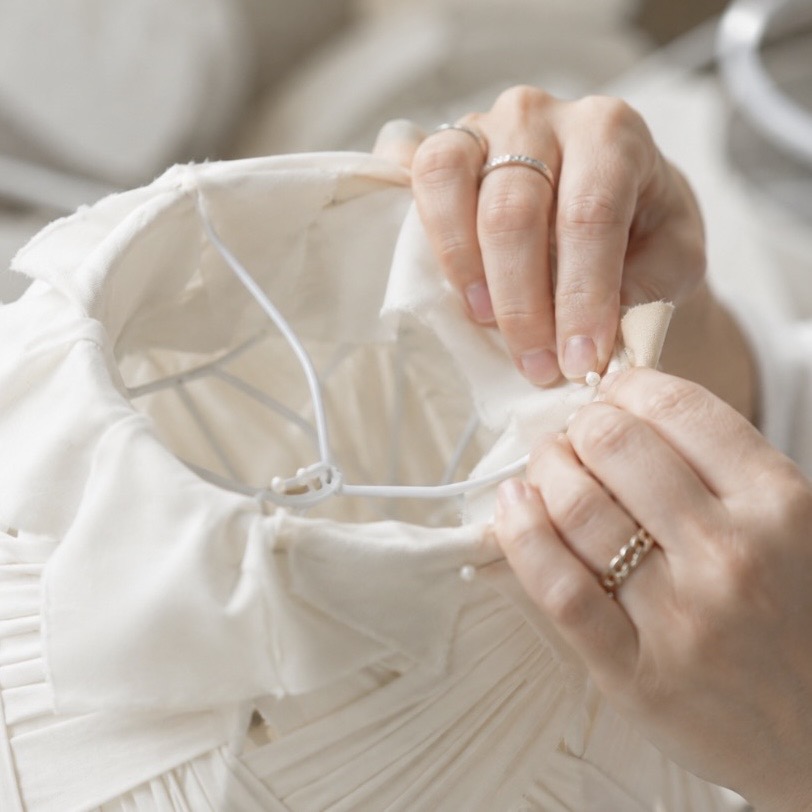
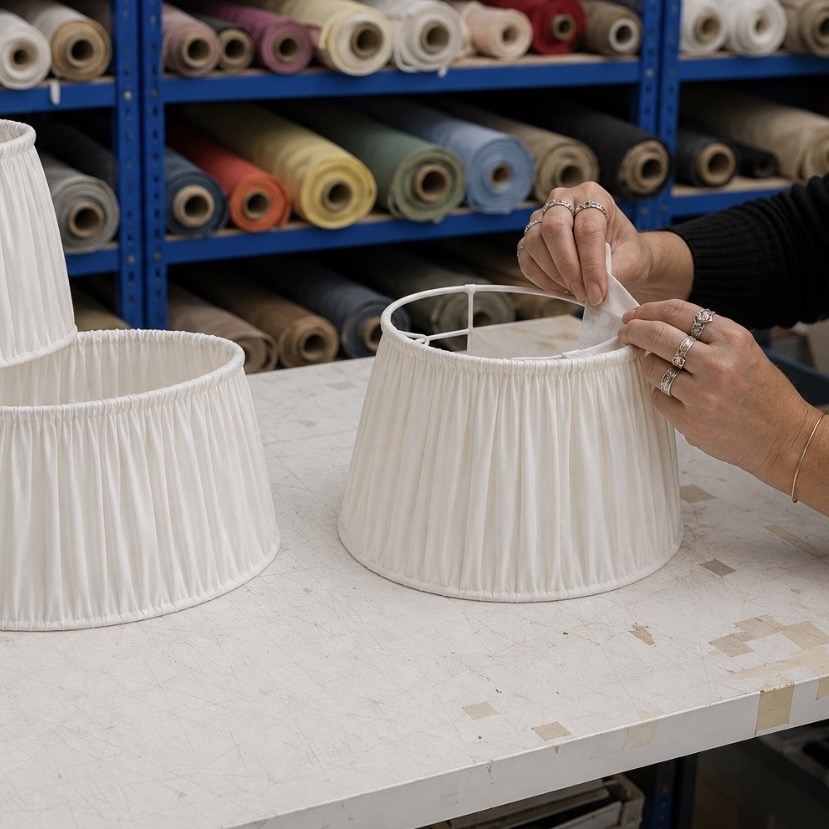
Workshop detail
Pleating, fitting, and final hand assembly
Lampshade work

Replacement, adaptation, and new shade making
Whether the need is one replacement shade, a fitting correction, or a new decorative batch, the conversation starts with the lampshade itself: shape, proportion, fitting, and finish.

Replacement shades
When an existing luminaire needs a new shade with the right scale, silhouette, and fitting.
- Single-piece replacements
- Matched proportions for existing bases
- Renewed look without changing the whole luminaire

Adaptation work
When the shade itself is changing and the fitting, carrier, or support details need to be adjusted to make that replacement work properly.
- Carrier and reducer changes
- Fixing-system adjustments
- Shade-specific fitting corrections

New shade making
When a room, project, or decorative scheme needs new shades made with a clear shape, material, and fitting brief.
- Single bespoke pieces
- Small coordinated batches
- Decorative project quantities
Lampshade families

Start with the right family, then refine the brief
Choosing the family first narrows the shape language, technical construction, materials, and use context before the brief gets more specific.
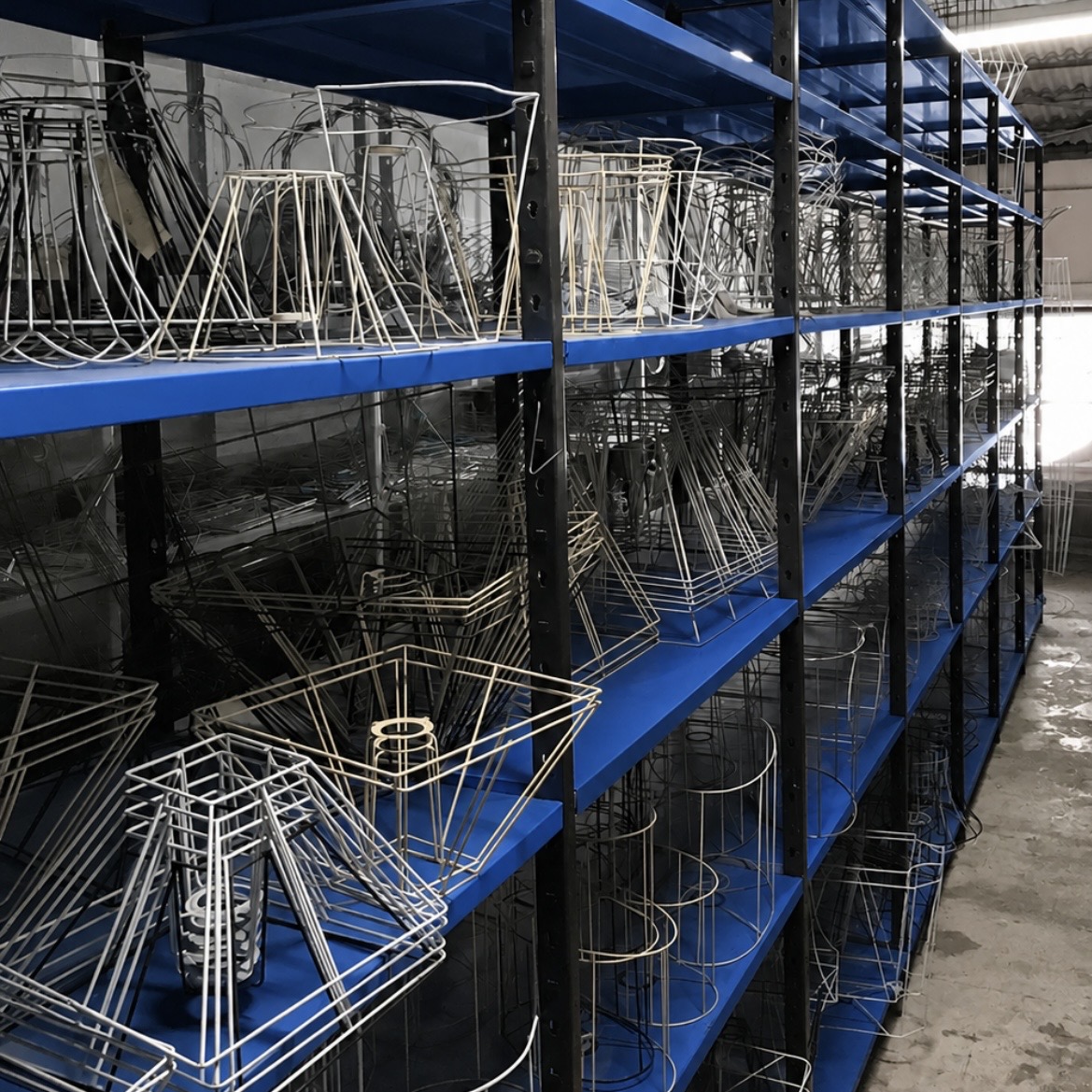
Classic lampshades
The main shapes establish the overall silhouette first, then the brief becomes more precise through proportions and fitting details.
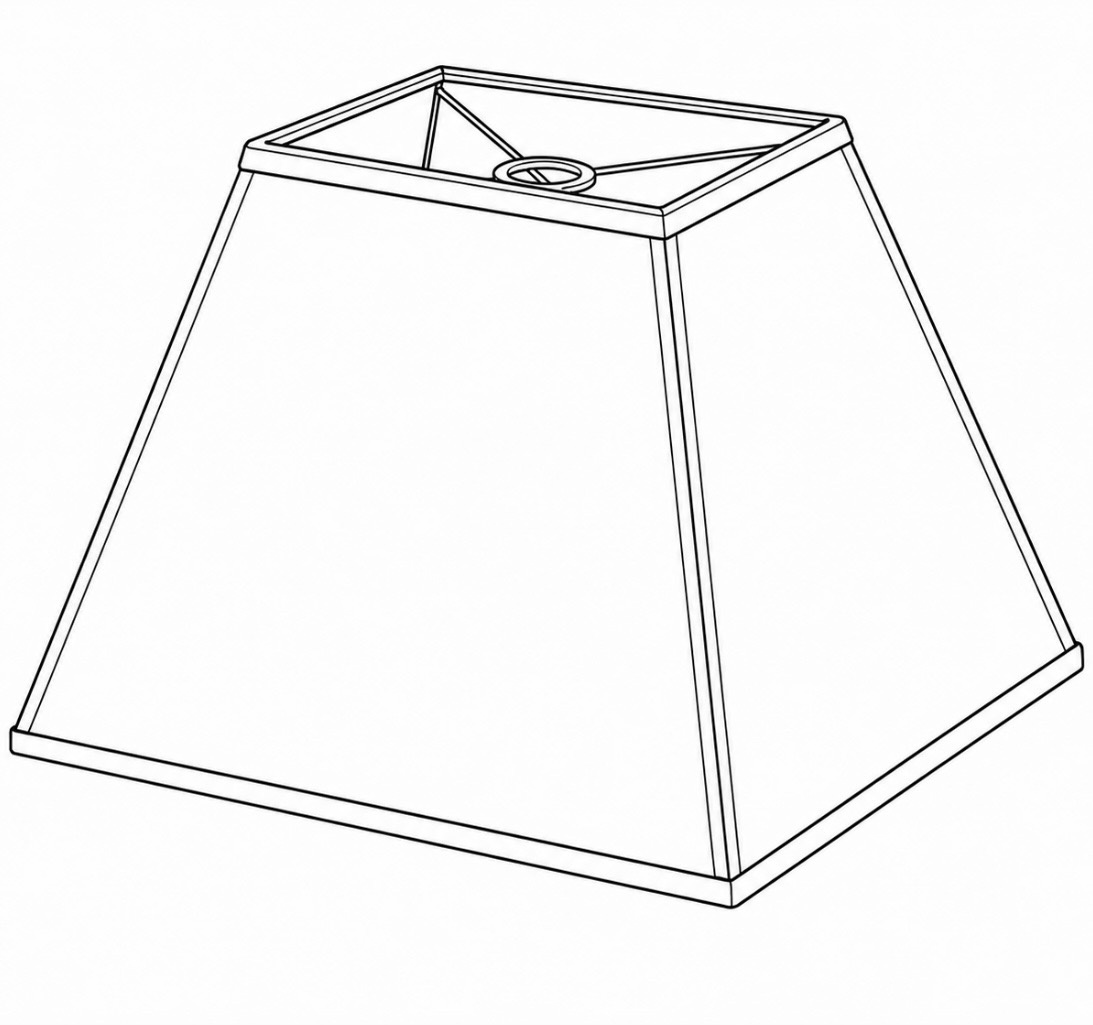
Pyramid
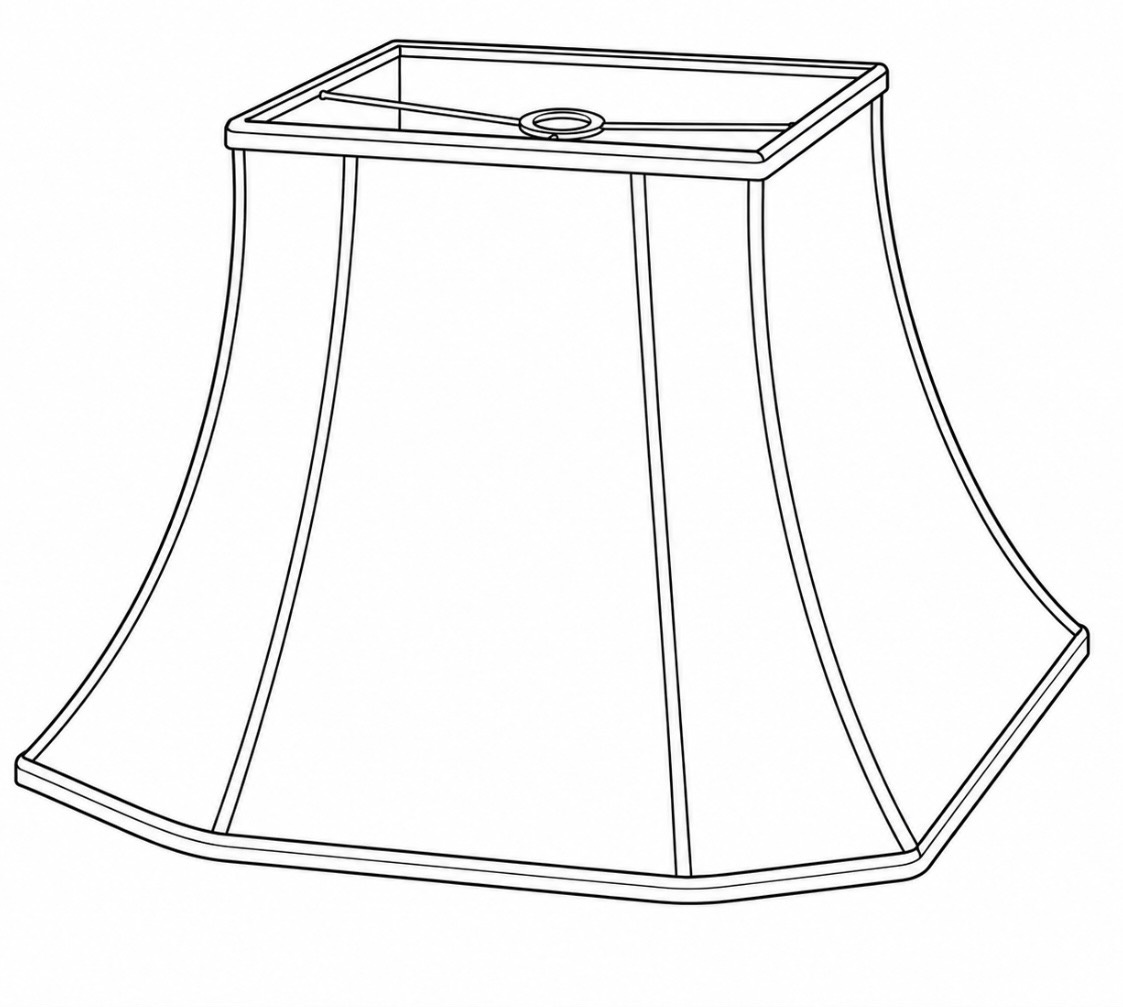
Pagoda
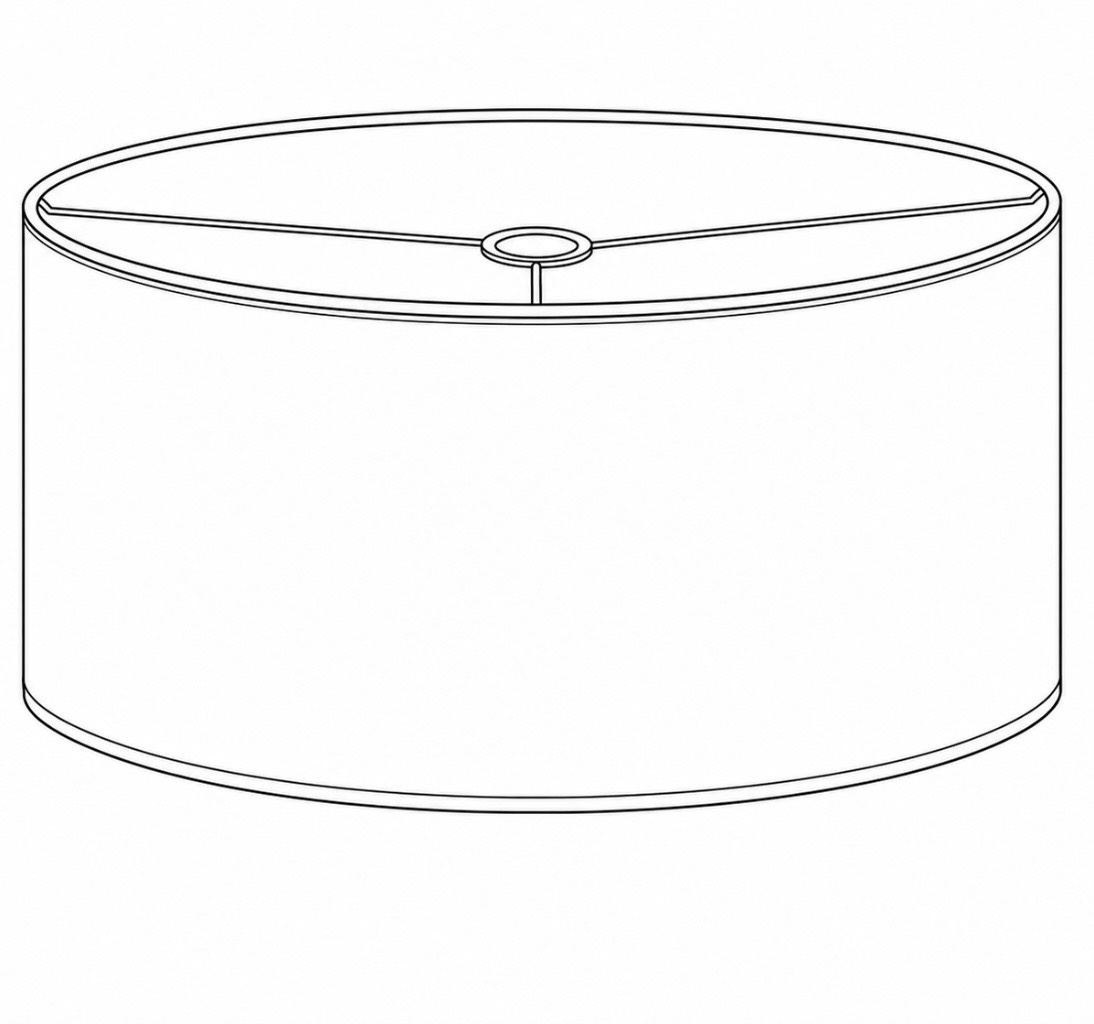
Oval
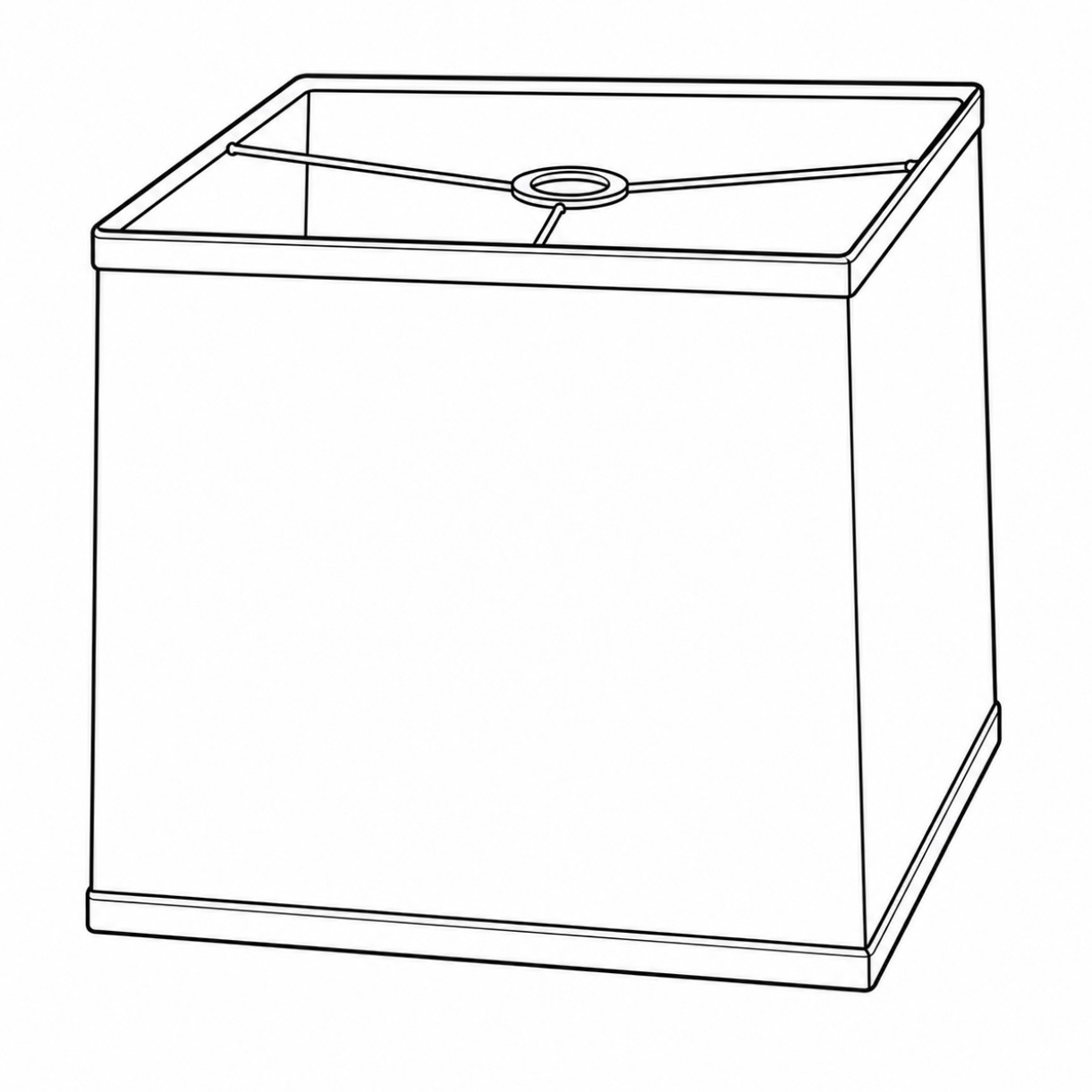
Square
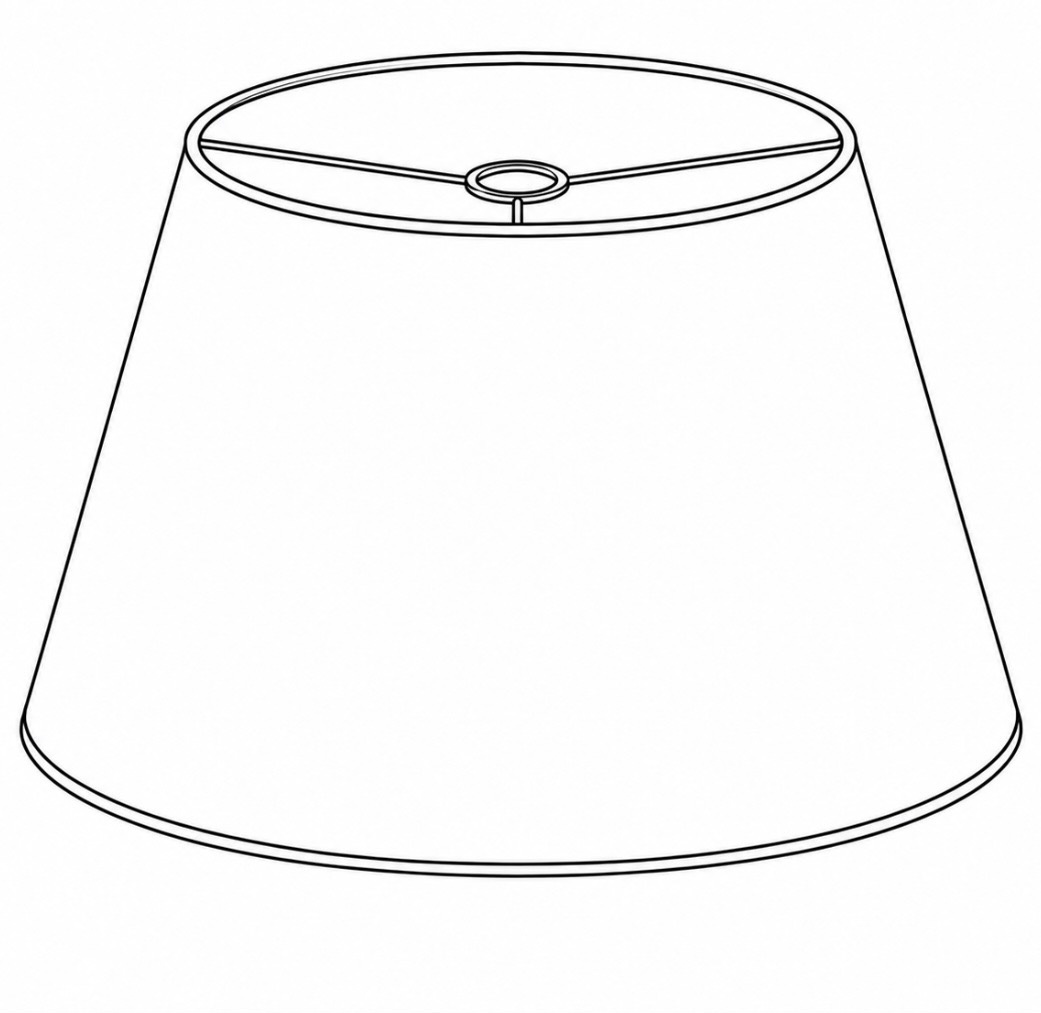
Conical
Decorative lampshades
Decorative models are primarily distinguished by textile work, edging, fringe, and visible finish details.
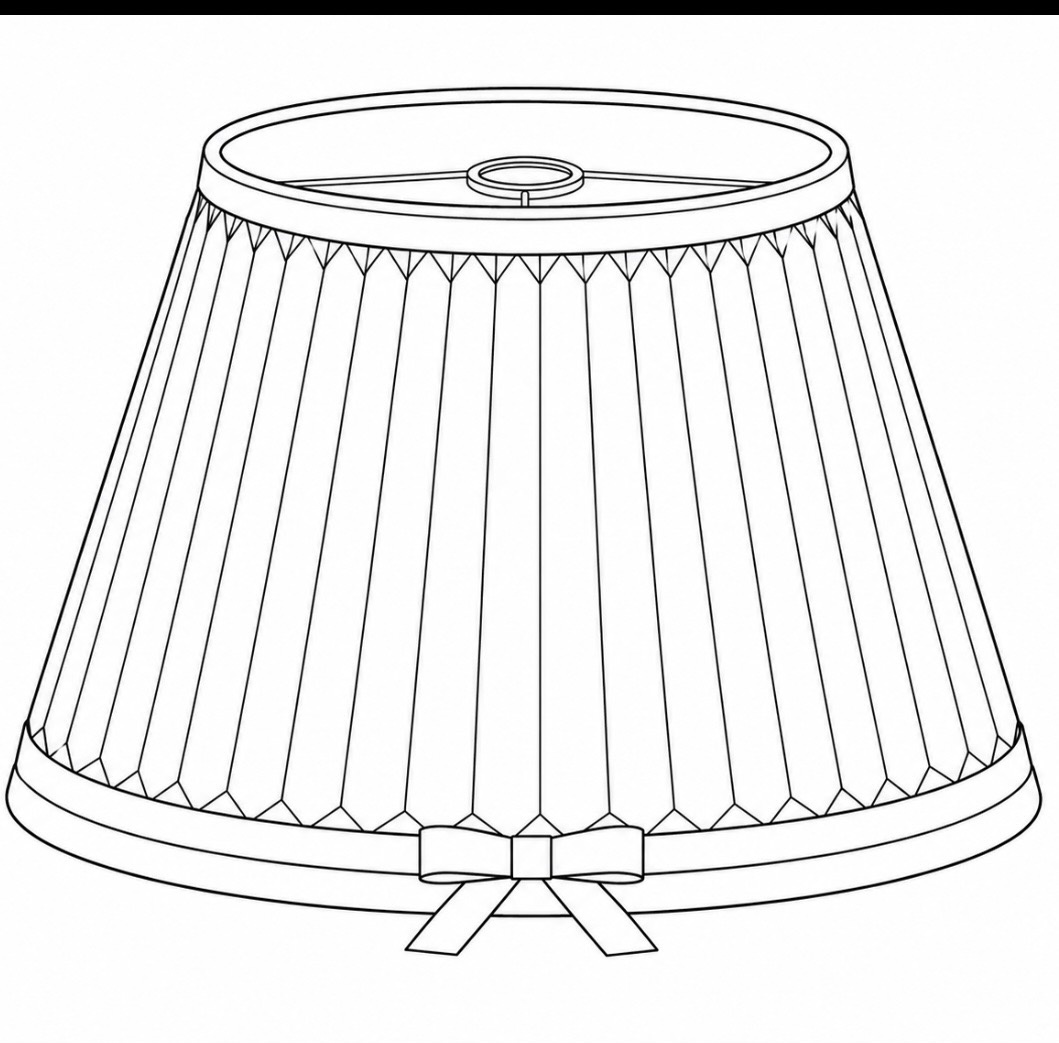
Pleated Dior
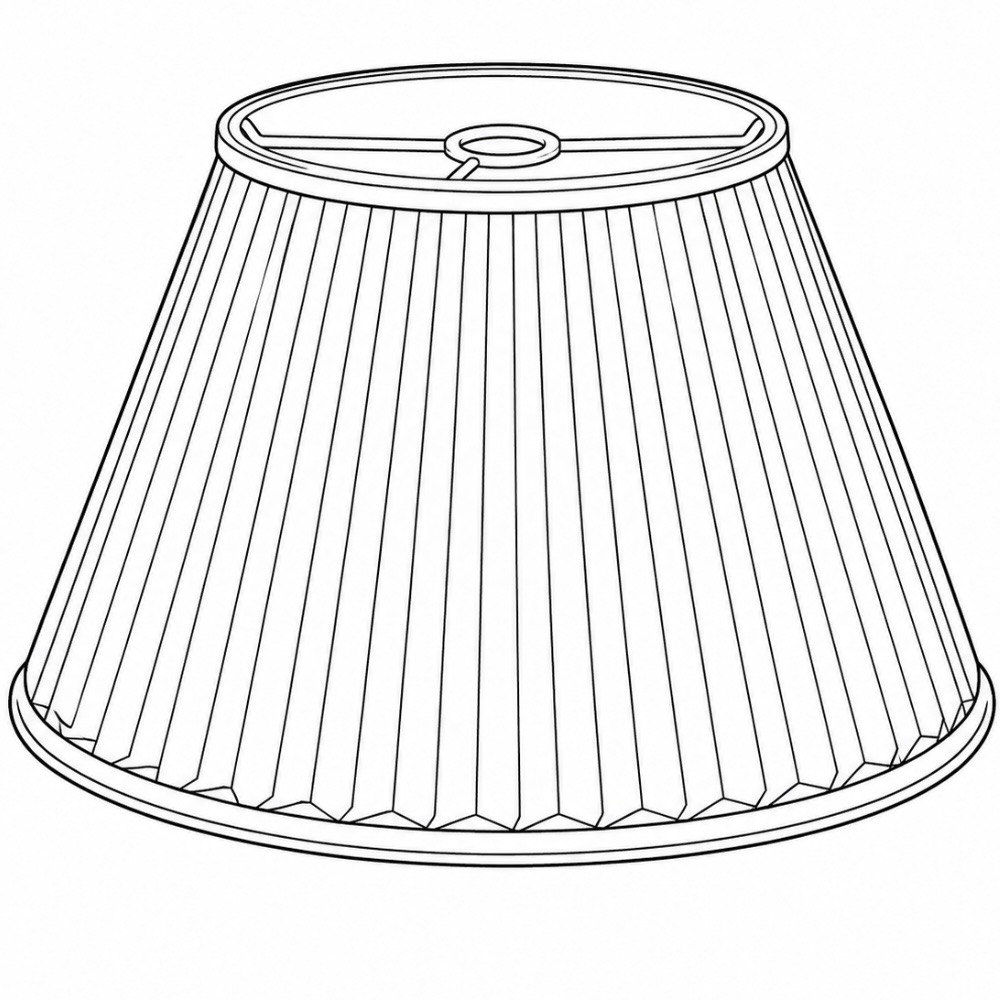
Pleated
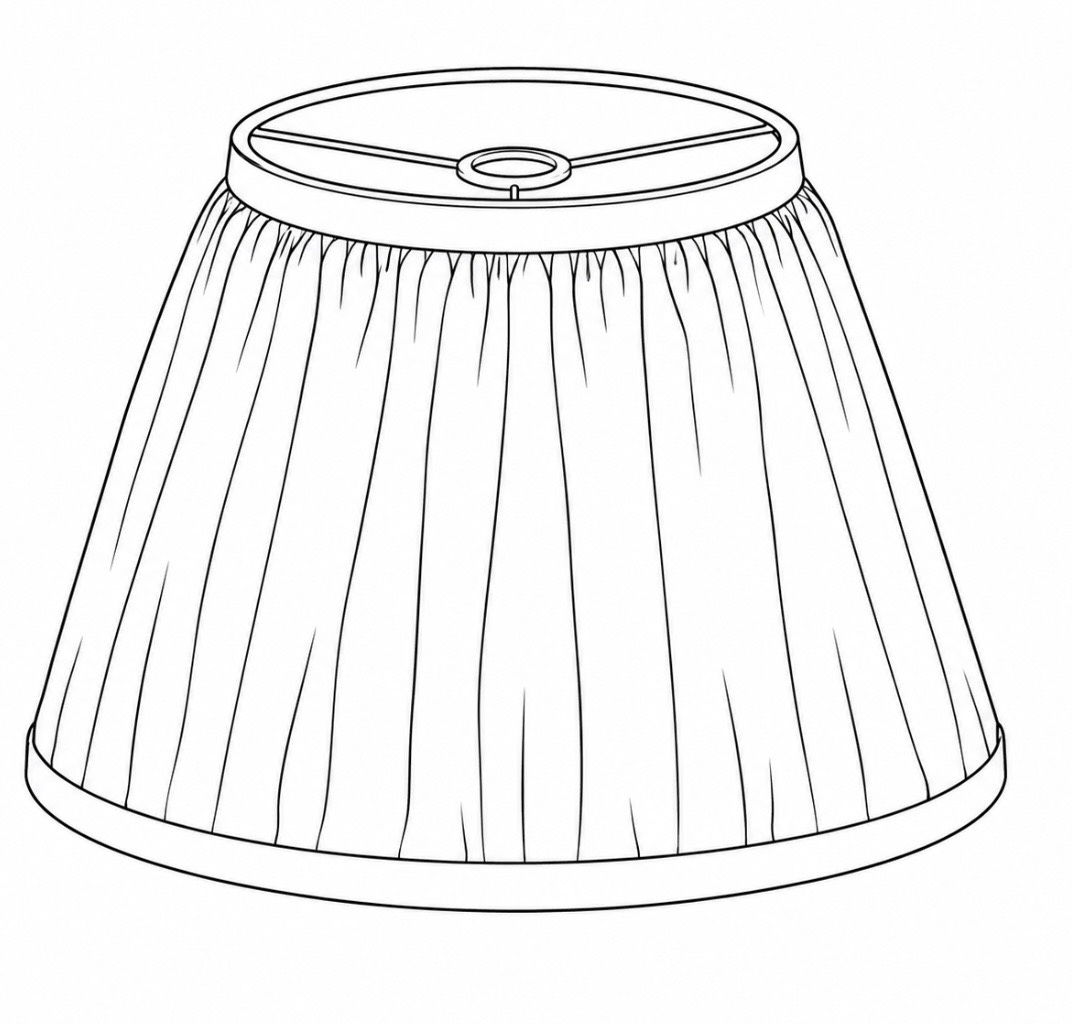
Gathered
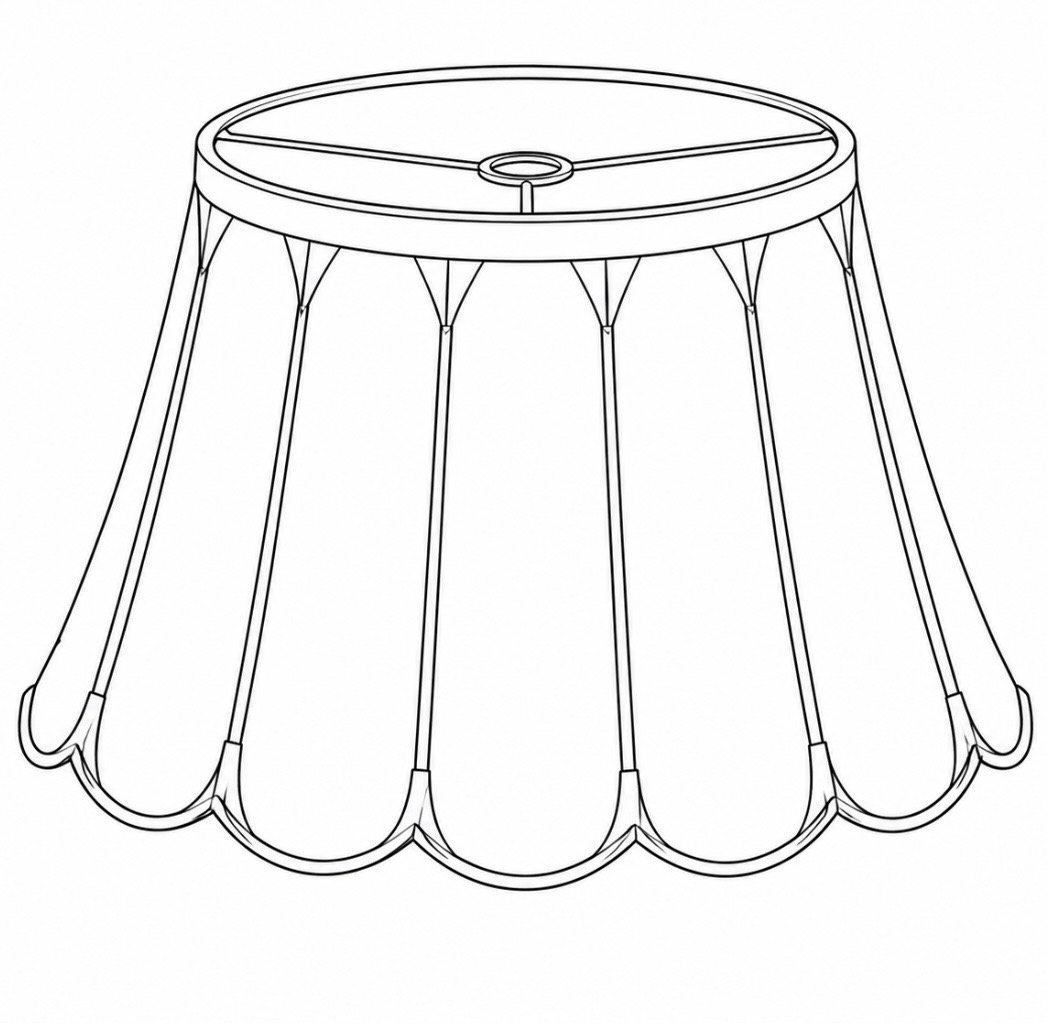
Paneled
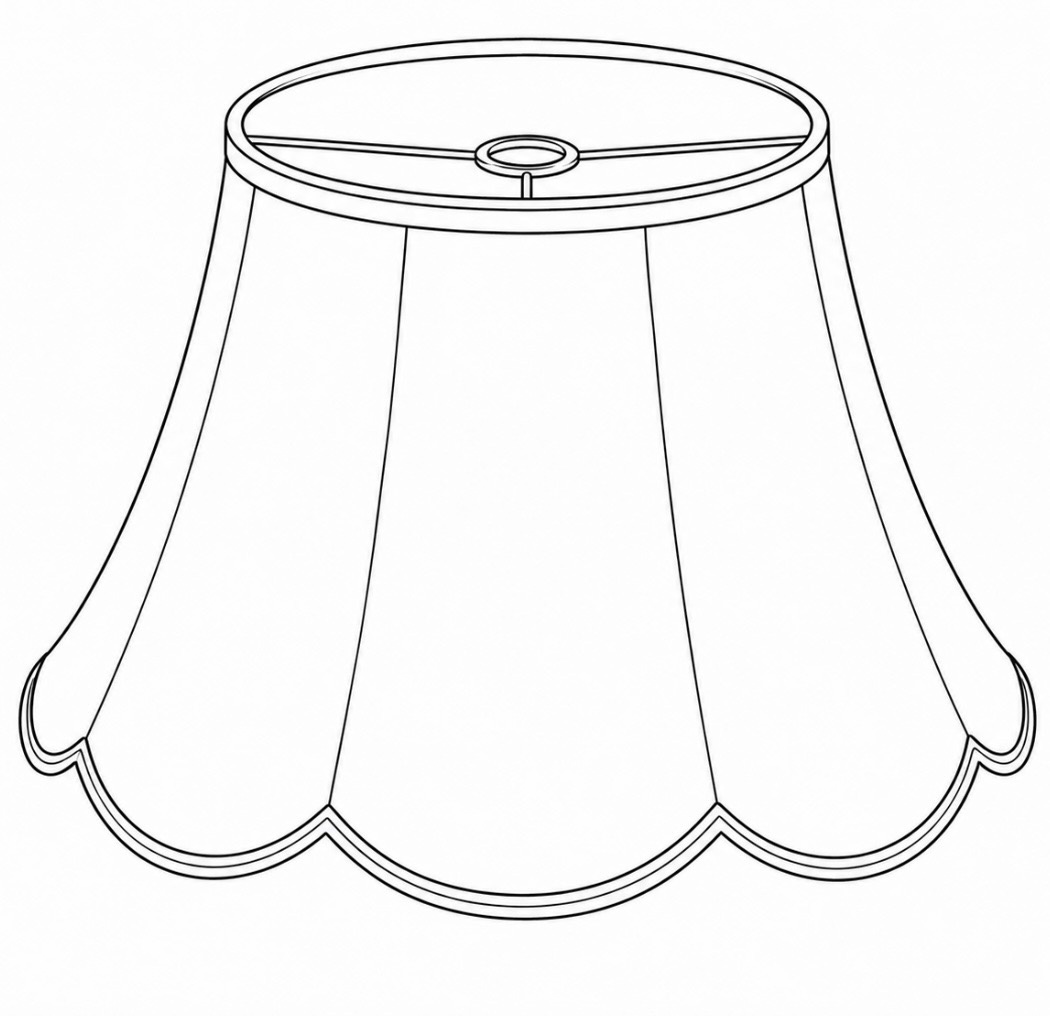
Scalloped
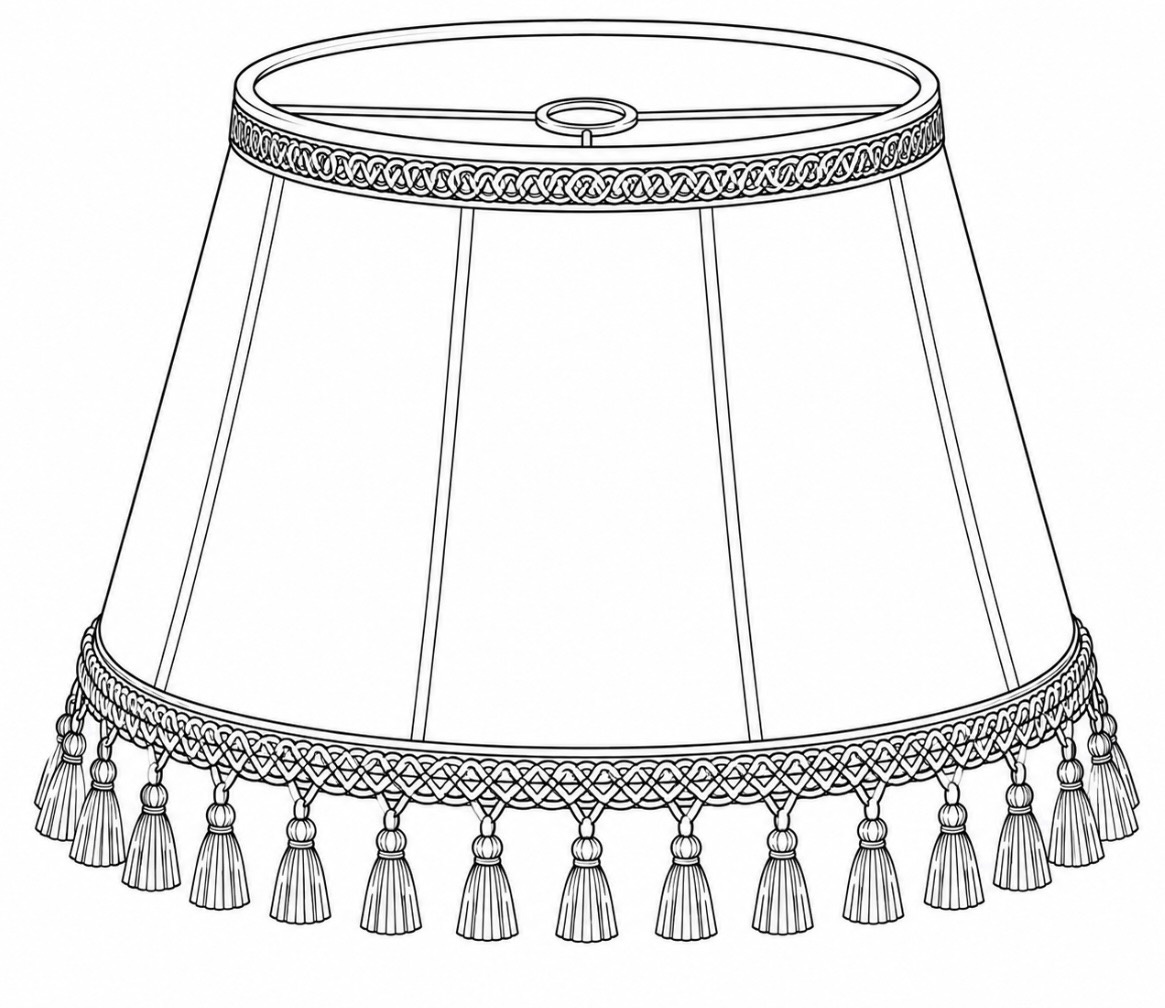
Trim
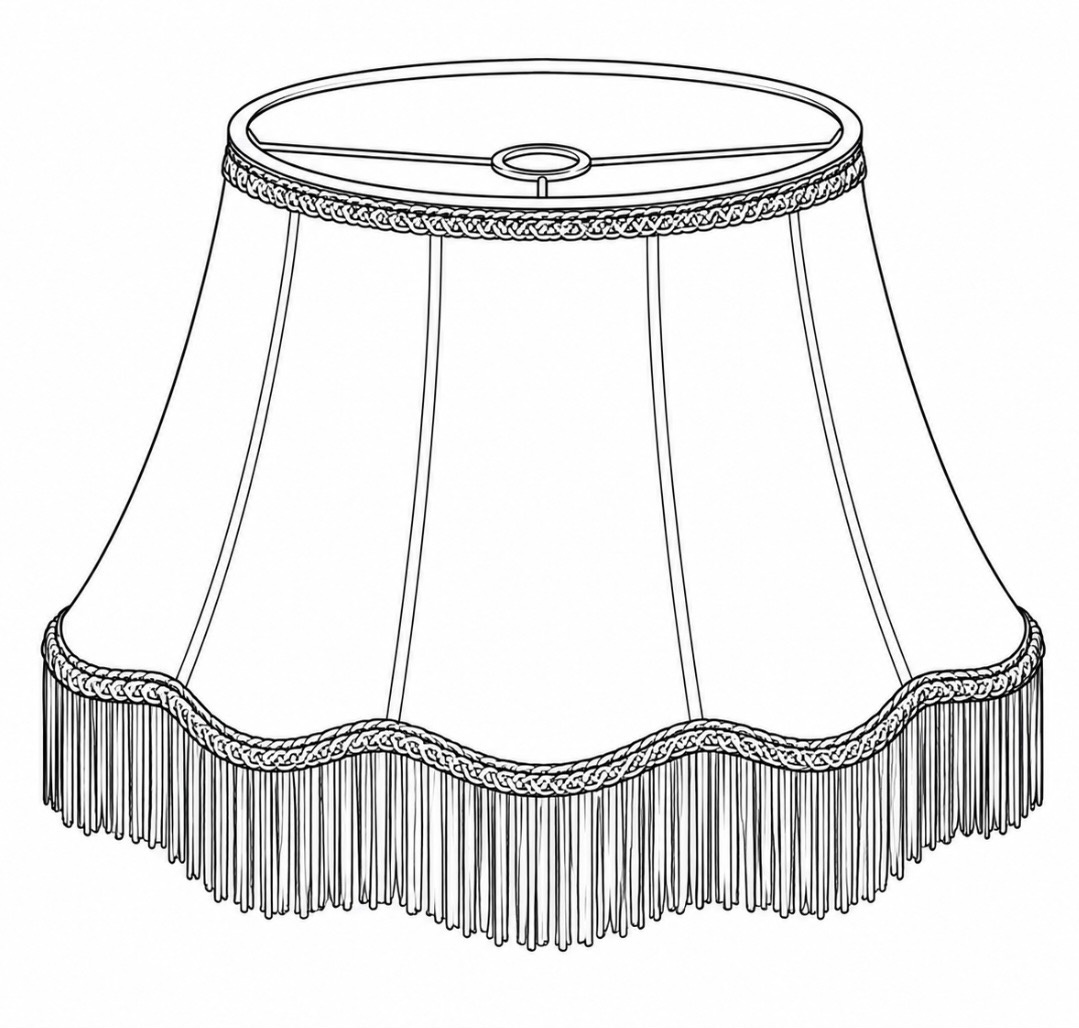
Fringed
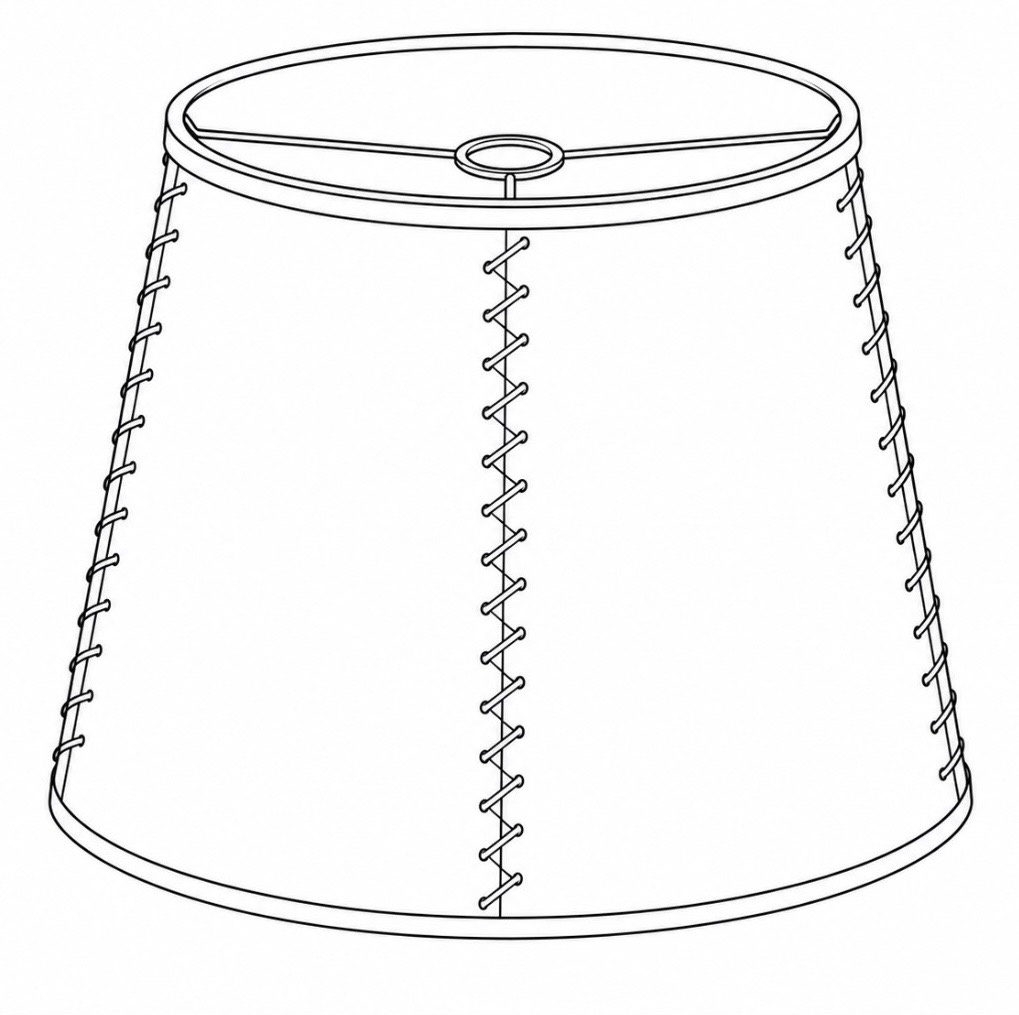
Saddle-stitched
Technical lampshades
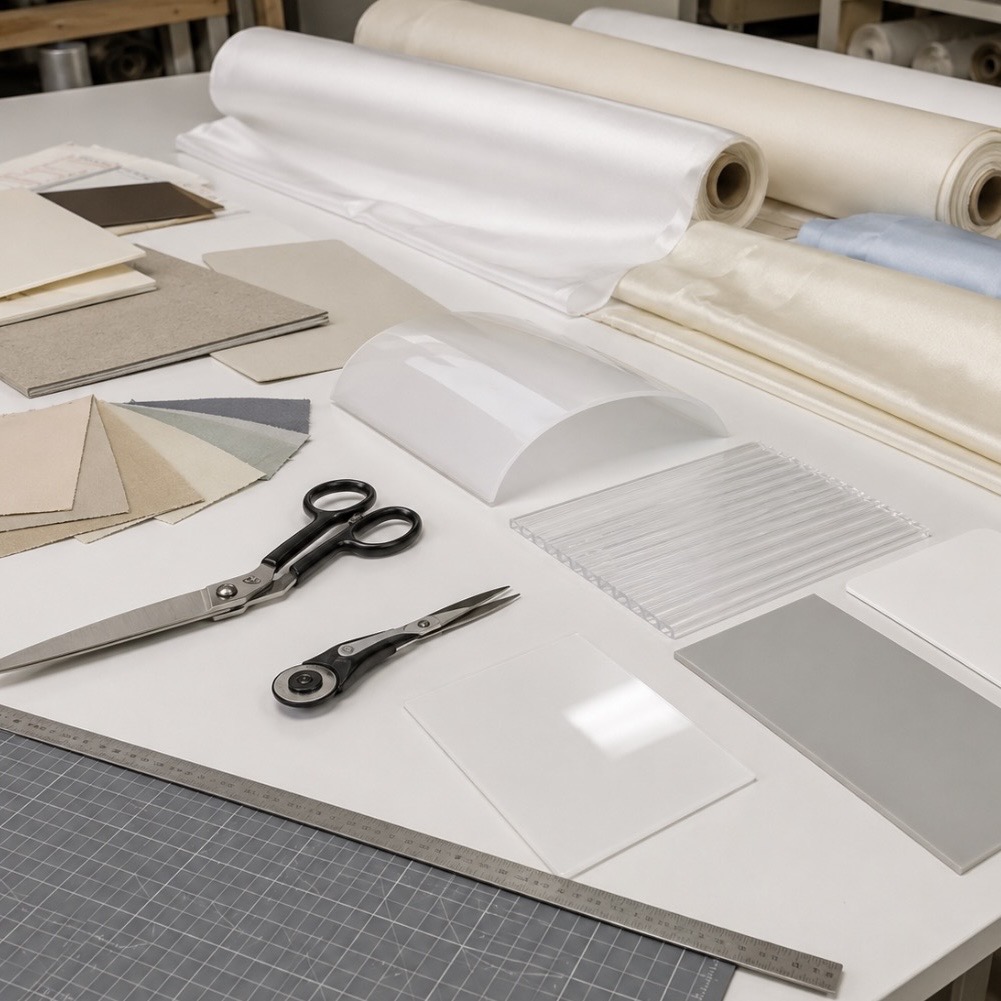
This family is mostly about construction methods, technical materials, and diffuser or safety constraints.
- Laminated lampshade (fabric laminated onto backing)
- Stretched fabric lampshade
- Thermoformed PVC lampshade
- Polypropylene lampshade
- PMMA (acrylic/Plexiglas(R)) lampshade
- Diffuser lampshade
- Fire-retardant lampshade
Lampshades by material
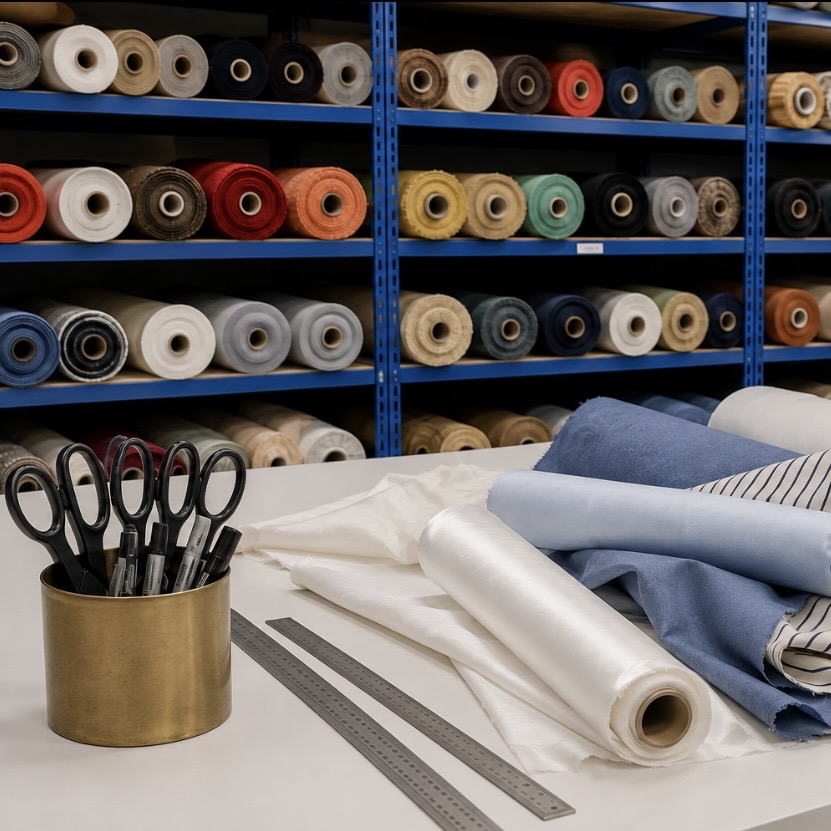
Here the material becomes the real starting point of the brief: textile, natural fiber, metal, wood, or alabaster.
Textiles
- Silk
- Linen
- Cotton
- Wool
Papers and natural fibers
- Jute
- Paper
- Japanese Washi paper
- Raffia
- Rattan
- Wicker
- Bamboo
Rigid materials
- Metal (brass, steel, aluminum)
- Wood
- Alabaster
- Stone
Specialty lampshades
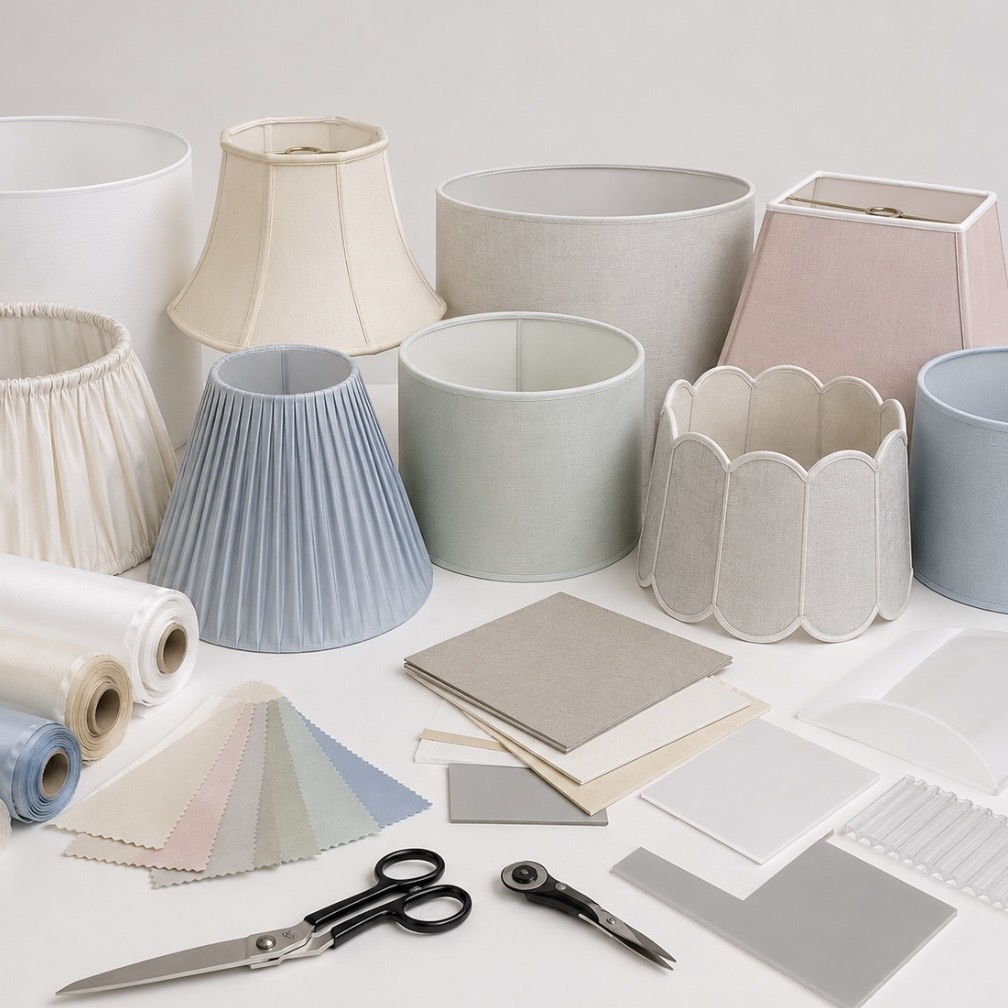
These subfamilies are defined by their end use and by the luminaire type the shade is meant for.
- Table lamp lampshade
- Floor lamp lampshade
- Wall sconce lampshade
- Pendant lampshade
- Chandelier lampshade
- Bouillotte lampshade
- Piano lamp lampshade
- Reading lamp lampshade
- Bedside lamp lampshade
Workshop details
The brief still has technical consequences
Once the family is clear, the workshop still has to resolve structure, fitting, and final assembly.

Frame & fitting
Ring size, spider, clip, reducer, and fitting details.
Textiles & decorative finishes
Fabric, lining, braid, pleating, gathered work, fringe, scallops, stitching, and the tone the finished piece should carry.

Final assembly logic
How the shade sits, diffuses light, clears the bulb or source, and survives transport, maintenance, and repeated use.
Adjacent pages
When light and lampshades become something else
What to send us

A short lampshade brief is enough to begin

Reference or photos
You can send photographs of the existing luminaire, previous shade, or desired reference.
Dimensions
Top diameter, bottom diameter, height, and the recess measurement.
Fitting information
Describe the fixing system, ring size, and whether an adaptation is needed.
Material direction
Indicate the fabric, lining, trim, pleating, and colour.

Quantity and destination
Say whether this is one piece, a room batch, or a recurring professional requirement.